an interview with sahan jayasuriya
12-4-25
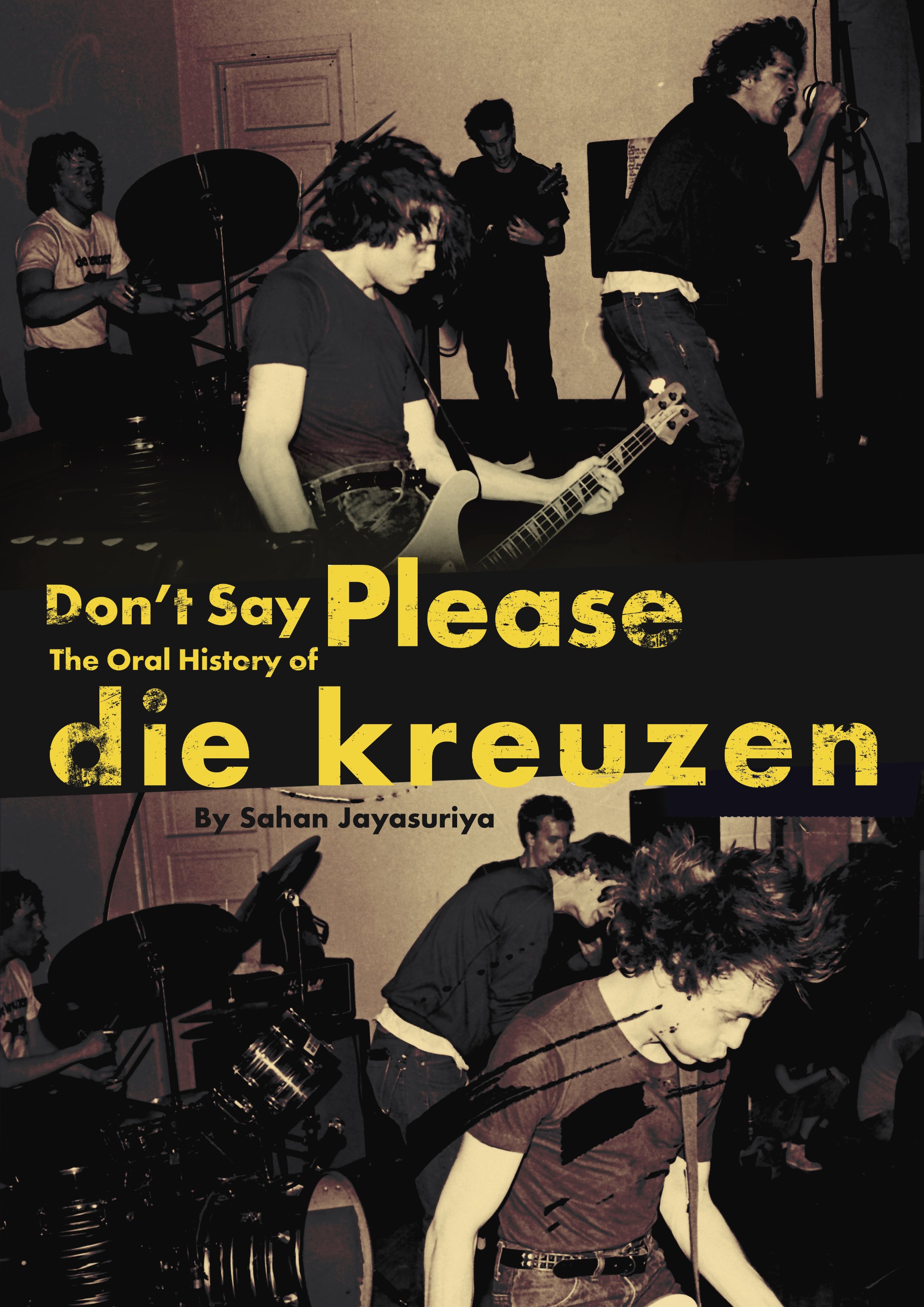
Musician and author of Don't Say Please : The Oral History of Die Kreuzen, an in depth look at the career of one of the most influential bands of the 80s American Underground
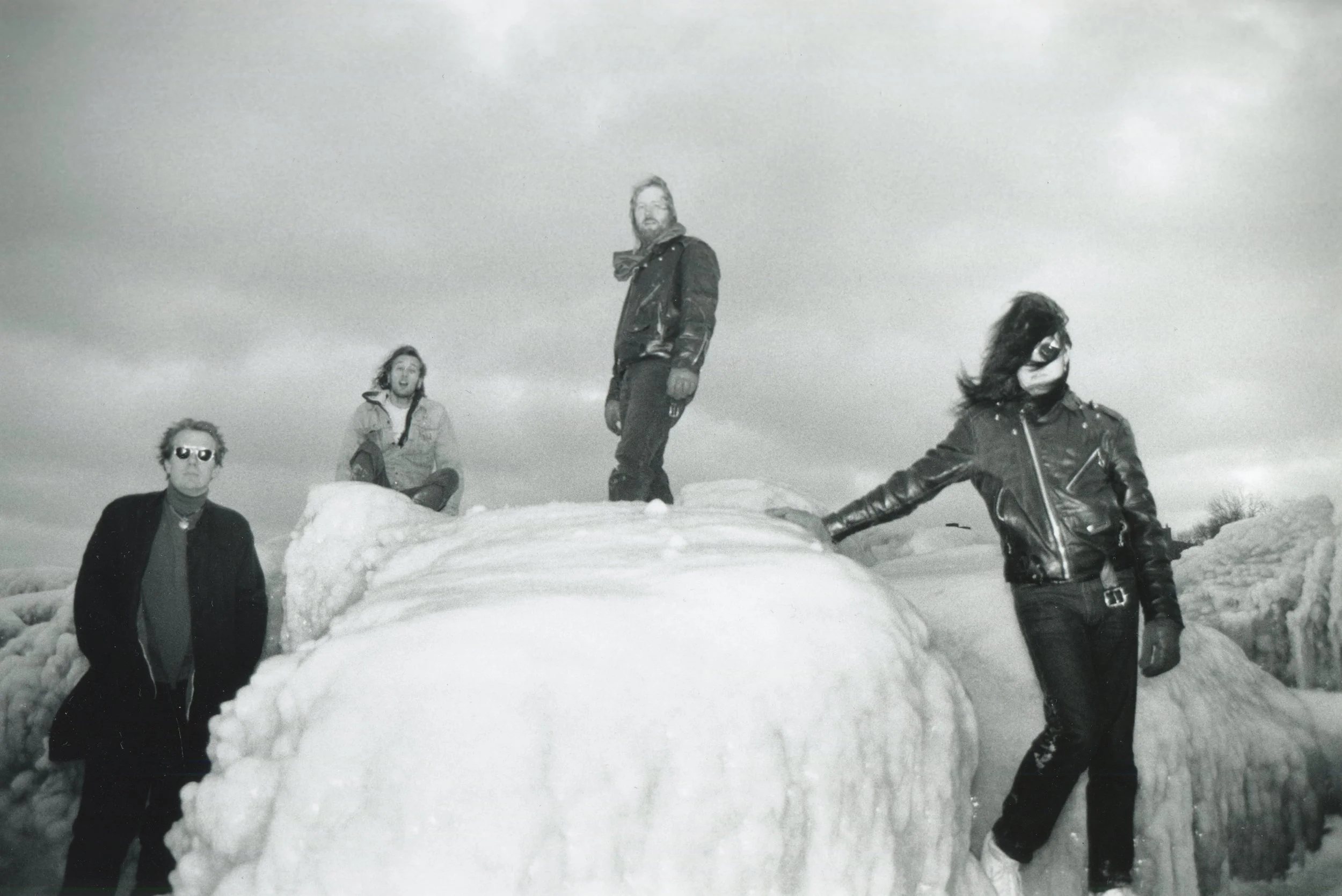
DIE KREUZEN IN 1989; PHOTO CREDIT: RON FAIOLA
“For me, the first time I heard Die Kreuzen, I was immediately struck by how good they were, but also perplexed as to why it had taken me so long to hear them, To me, they were just as good as the Bad Brains, Minor Threat and Void, and I felt like they should've been as well known as those bands were.”
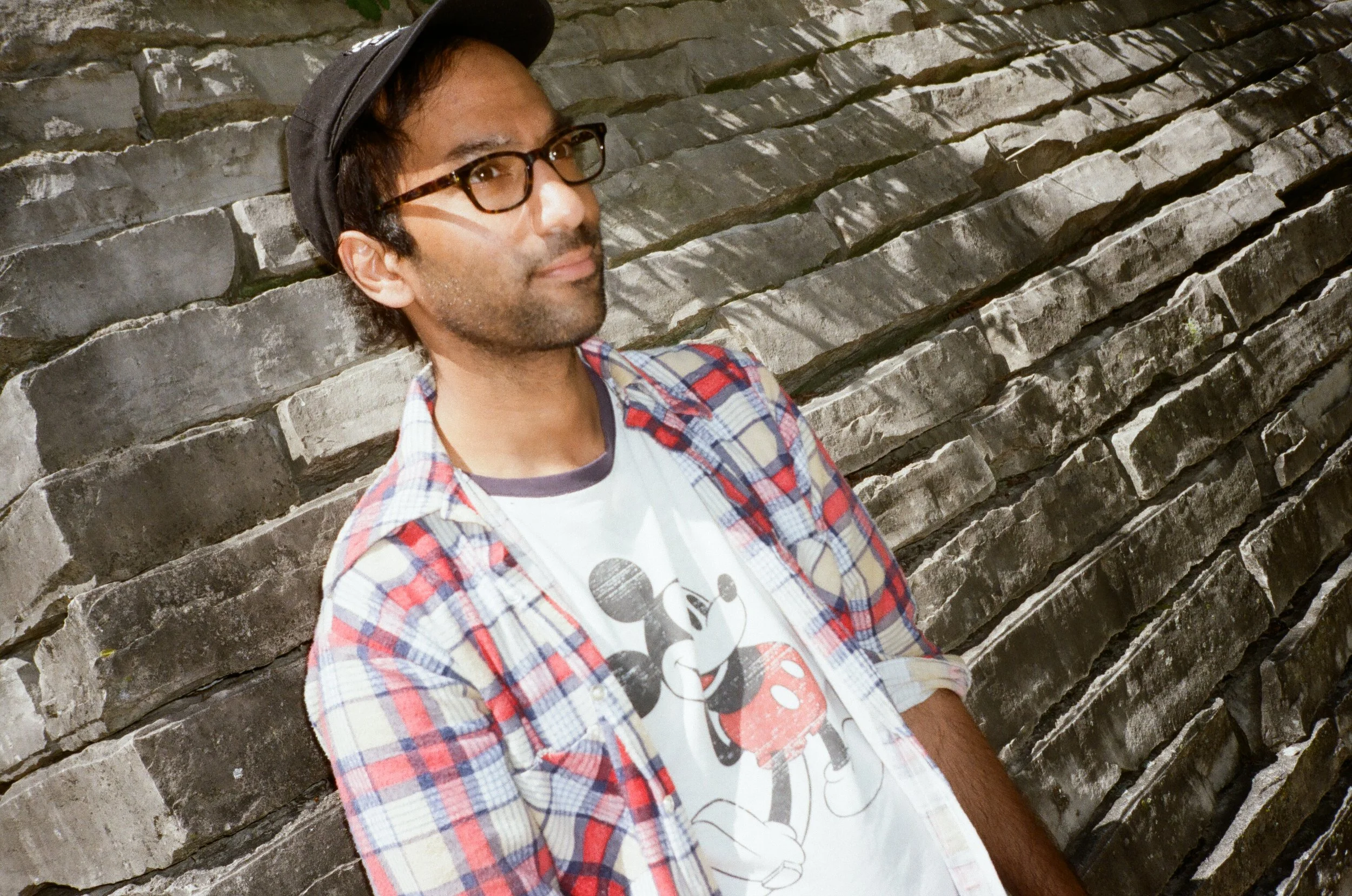
PHOTO CREDIT: MORGAN ROSE
1. I’d like to talk about your important book Don’t Say Please: The Oral History of Die Kreuzen published by Feral House, but I’d also like to ask you some questions about yourself and your work more broadly both for context and honestly just out of interest! Would you be so kind as to tell the reader a little about yourself by way of introduction?
I'm a musician and writer from Milwaukee, WI. I've been heavily into music since I was a very young child, my early loves were things like Abba and Queen and MC Hammer. MTV changed my life in 1994, and that along with alternative rock radio completely altered my little 9 year old brain. Eventually, I started playing drums in bands when I was about 13-14, and have been playing music pretty consistently since then (currently, I play in a slowcore band called Good Night & Good Morning). I started writing about music in 2012, and in 2015, I began work on my first book. That book, Don't Say Please : The Oral History of Die Kreuzen, was released this past August. It's an in depth look at the career of Die Kreuzen, one of the most influential bands of the 80s American Underground.
2. What were your gateway bands to alternative/underground music, and once you had started down that rabbit hole, what bands and labels proved foundational for you?
The early to mid 90s mainstream was filled with really great gateway bands, and like a lot of people my age, bands like Nirvana, Green Day, Rage Against the Machine and Beastie Boys were huge gateways for me. All of those bands were all punk influenced, had underground origins and were very open about their influences. Kurt Cobain always talked about The Wipers and Flipper and Scratch Acid. Zack de la Rocha wore Los Crudos t-shirts. Billie Joe Armstrong talked about The Replacements and Husker Du. The Beasties came from hardcore and eventually started putting hardcore tracks in between the hip hop and weedy instrumentals on Ill Communication and Check Your Head. Bands were leaving these clues here and there for listeners, you just had to pay attention. These people knew exactly what they were doing, and I'm grateful for that.
I eventually started hearing stuff around 99/2000 that was really exciting to me as a teen-bands like Refused, Snapcase, AFI, Converge, Glassjaw and American Nightmare. I still love those bands today. Those things led me to find Dischord Records by way of Minor Threat, Fugazi and Q and Not U...it was revelatory. Even now, Dischord is still an endless source of inspiration to me and Fugazi are my favorite band. Getting into Dischord led me to hear a lot of early 80s hardcore and also discover labels like Gravity. Also around that same time, I started getting into a lot of 90s non hardcore stuff as well, stuff like Sonic Youth, Sunny Day Real Estate, Jawbreaker and Elliott Smith. It was different back then, you discovered music through so many avenues. Mixtapes and CDs were huge for sure. Watching skate videos and hanging around girls who were way cooler than I was (RIP Sarah Danger) exposed me to a lot of music that I probably wouldn't have otherwise heard.
I dunno, there's so much punk stuff I was hearing in my teen and early adult years that still sounds great today. Drive Like Jehu? Born Against? His Hero is Gone? Lifetime? Shudder to Think? Cursed? I was really drawn towards bands who had an arty or more emotional component to them as opposed to just like, really calculated male aggression. All those super down tuned jock bands who are supposedly playing hardcore punk, but really just sound like Pantera? I'd rather be fired out of a cannon directly into the sun than have to listen to any of that shit. Those dorks could never do even half of what Unbroken does.
3. Can you give us a little career overview to date? What made you want to pursue writing and music journalism?
It actually came a little later for me, like a few years after college. I was playing in bands, working full time at a guitar shop and part time at a web-based publication. My boss there just kinda suggested that I write about music. I pretty much exclusively read music books, so by that point, I had a pretty good handle on what kinda stuff I'd want to write about. I've always been interested in learning about the music that I love, and the idea of doing that kind of research and sharing it with whoever was appealing to me.
So I started in 2012, and since then, I've spent a lot of time writing for publications around Milwaukee, largely focusing on artists' creative processes and influences. Most of the last decade has been spent focusing on the book, just because it's never been my full-time focus. I currently work as a copywriter at a tech school here, and I love what I do, but it's definitely a full-time commitment. Music writing has largely been something I've done in my free time.
4. Being in a serious band yourself, how do you feel that experience has informed your process as a writer and journalist?
I think being a musician helps me understand the band dynamic a little better than someone who doesn't come from that background. At some point, there's probably gonna be conflict, there's probably gonna be disagreements, it's just the nature of being in a band. I think with that background, I approach writing about music in a different way. I'm not really interested in drama; I'm much more interested in learning about how the records were made; taking a look under the hood of the car. To me, that's way more fascinating than hearing about people arguing about whatever. Salacious gossipy stuff? Nah. I'd rather read about how the Stooges initially had their amps at 10 when they were trying to record that first album with John Cale. That stuff is way more interesting to me. It also explains why I go pretty in depth about kinda granular stuff like music gear and the creation of the album art.
5. How did the idea for the book come about? What was so special about this band that made a book about them seem so vital?
Die Kreuzen played some partial reunion gigs in 2012, and when those happened, I wrote a short form piece about their history. That turned out great and was well-received, and not long after that, I started talking with the band about doing something more extensive. It took a few years to get off the ground, but I officially started work on it at some point in 2015.
For me, the first time I heard Die Kreuzen, I was immediately struck by how good they were, but also perplexed as to why it had taken me so long to hear them. To me, they were just as good as the Bad Brains, Minor Threat and Void, and I felt like they should've been as well known as those bands were. They didn't really sound like anyone else, and a lot of that had to do with the fact that they had really eclectic tastes, at least compared to the average early 80s hardcore punk band, and it's their taste that made the music stand apart from so many of their contemporaries. The little bit of research I did early on showed me that the people who were into this band really held them in high regard. I remember seeing that band Sex Vid play here sometime in like 2007/2008, and having [Sex Vid vocalist] Judd gush about his love of Die Kreuzen to me. It was kind of one of those things where once I heard them, I started noticing their influence all over the place. When I started the book, I just had the goal of sharing their story with their existing fanbase, with the secondary goal of getting new people who had never heard them before to check them out.
6. How were they received in their time?
Die Kreuzen were this band who enjoyed a lot of acclaim right out the gate; their 1984 debut album is one of the most loved albums in the history of hardcore punk. When they started to evolve musically and become more melodic and less fast, they definitely experienced some pushback from their audience and the press. There were also plenty of people who got what they were doing, though, and those people became their core audience that ended up growing with them throughout the 80s and into the early 90s. Some audiences weren't really sure what to make of them, but when they played shows with bands like Sonic Youth, Dinosaur Jr, Laughing Hyenas and Husker Du, those audiences seemed to be way more receptive to what they were doing. Press wise, the European music press definitely understood the later material in a way that the American press didn't, but really, in the grand scheme of things, they were fortunate enough to have a dedicated fanbase for the entirety of their 11 year career.
7. Do you feel like it’s a reasonable/accurate claim to position Die Kreuzen as “the band before the band before the band”—they walked so the next band could walk faster so the next band could run? In other words, there’s no Converge without Starkweather and there’s no Starkweather without Die Kreuzen?
100% yes. There's direct influence and then there's indirect influence. Direct influence would be like, the influence that Black Flag and Wire had on Die Kreuzen, and indirect influence would be this Converge/Starkweather comparison. I actually talked to Jake Bannon briefly a few months ago and can confirm that he's a Die Kreuzen fan, which is so rad, so yeah, that definitely makes sense. You can look at so many elements of Die Kreuzen and come up with plenty of claims like this, and they make sense. I think a lot of hardcore and post hardcore bands use the Die Kreuzen records as a measuring stick for intensity. Das Oath, for example. They were definitely drawing from Die Kreuzen.
In the last decade or so, we've seen a lot of bands made up of people from the hardcore scene writing songs that are more dreamy and melodic. That kind of thing is totally acceptable now, but 35-40 years ago, it was a different story. Just in general, when it comes to blending melodic and dreamy elements with heavy guitars, Die Kreuzen set the precedent for that and showed people that it could be done. My claim? Smashing Pumpkins made their first two records with Butch Vig, and they were definitely familiar with the Die Kreuzen records that Butch did. Whether directly or indirectly, no Die Kreuzen, no Smashing Pumpkins, no Deftones.
8. In addition to the band members themselves, you also interviewed some heavy hitters in the alternative music world who hold the band in very high regard. Who are some of these figures and what did they have to say (teasers only please)?
As a music fan, talking to some of these people was an absolute joy for me. People like Butch Vig, Steve Albini, Neko Case, Ian Mackaye, Thurston Moore, David Pajo, Lou Barlow, Jon Wurster, Mario Rubalcaba, Matt Sweeney, John Reis, Nathan Larson...these are all people who I really respect and who have made music that I love. Everyone experienced the band differently and had different things to say about their influence and significance. It was just super cool to see how they influenced all these different pockets of underground music.
9. How did the relationship with Feral House come about? They’re great, I’ve got several Feral titles on my shelves.
Christina at Feral House has been in my corner ever since I started this project. She'd check in with me from time to time, and I didn't really think anything of it, but eventually she told me that they were interested in putting the book out. It made a lot of sense for us to work together, and I'm really grateful for Christina and Jessica's support.
10. Okay, last question, one of my favorites: if you were stranded on a desert island by yourself and could only have five albums with you to listen to, what would they be and why?
Janet Jackson-Rhythm Nation 1814
Janet Jackson-Rhythm Nation 1814
Janet Jackson-Rhythm Nation 1814
Janet Jackson-Rhythm Nation 1814
Janet Jackson-Rhythm Nation 1814