LOLABELLE
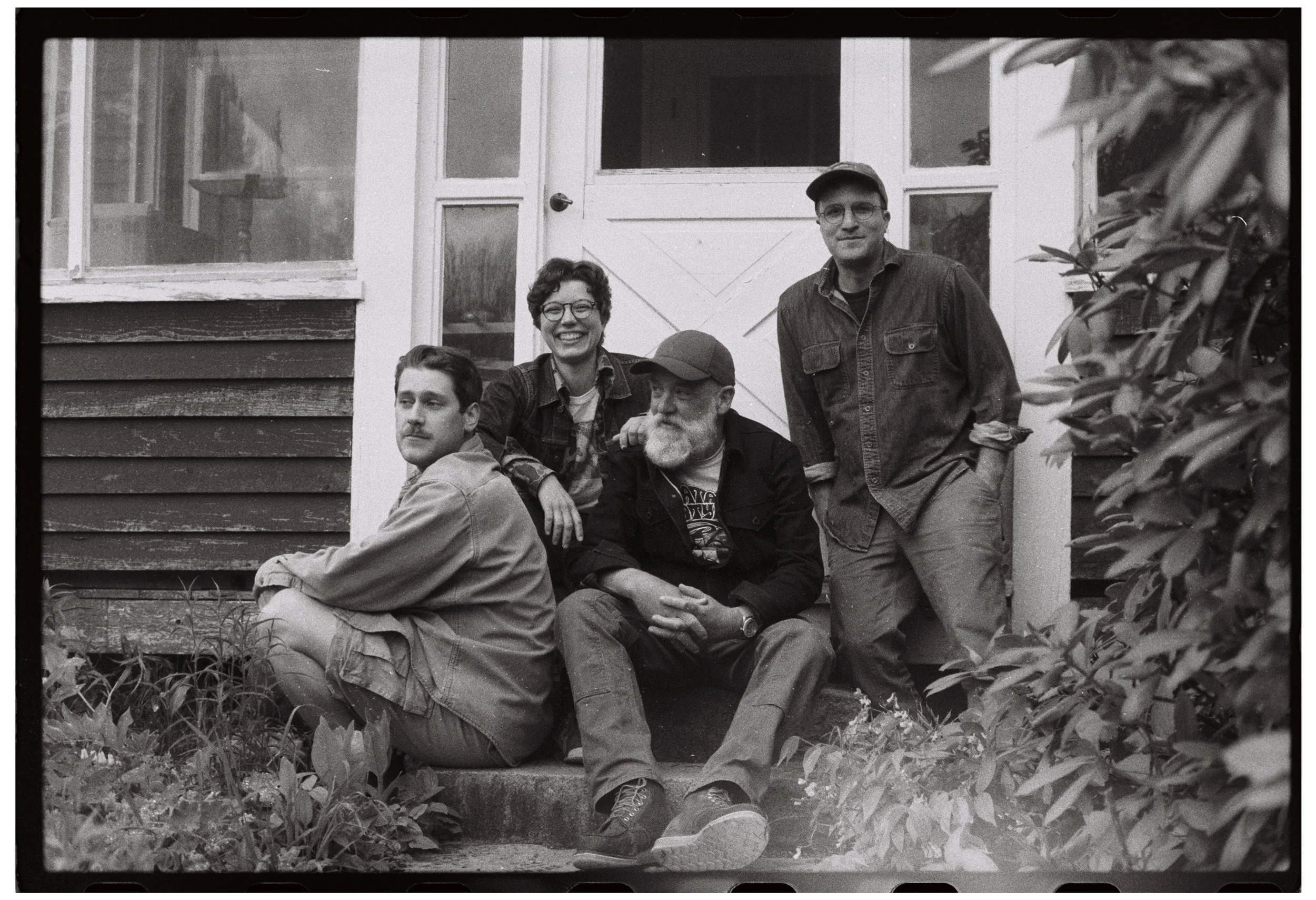
PHOTO CREDIT: MATT HOMER
1. Welcome to All the Cores and More! Would you please introduce yourself to the readers and say what you do in the band?
Thanks so much for having us! My name is Caroline, I play guitar and sing. We’ve also got Kurt, who plays bass; Gene on drums; and Stephen on lead guitar.
2. What are your earliest memories of music, and when did it become a love affair? What artists were most influential on you as a young person?
I grew up on Mount Desert Island, and got my start singing in a ton of musicals and classical choirs– practices in church basements and community theater rehearsal every night, stuff like that. I was that kinda weird, overly polite kid who was always hanging out with people in their 60s and talking about how much I loved Mozart. At the same time, I also had a deep love of indie rock. My older brother had a massive hard drive of music that he dumped onto my iPod, and exploring that catalogue completely shaped my taste– lots of early Death Cab for Cutie, Elliott Smith, the Shins, St. Vincent, Sufjan Stevens. I remember sitting on the school bus with my wired headphones in, totally nerding out over the lyrics and scoffing at my classmates listening to the top 40 radio (total millennial hipster move, I know).
As a teenager, I attended (and later taught at) an arts camp on the island. While there, one of the teachers noticed how into indie rock my brother and I were, and offered us press passes to a new festival he was putting on in Bangor called KahBang. Seeing a ton of New England bands alongside huge national headliners totally cracked my brain open and inspired me so much, especially getting to meet some people in those bands and just hang out. (This past spring we played All Roads in Portland, and got to play alongside some of those same musicians! A pretty trippy full circle moment).
In terms of artists that influenced me as a young person, there’s a funny little story that sort of puts a nice bow around it all. As a teen, I was asked to sing some English Art songs with a string quartet at a summer camp that was in Arthur Russell’s memory. I didn’t know who he was at the time, but found his music a couple years later and completely fell in love. There are some parallels in our stories, namely that he was a classically trained cellist. He later branched off into totally new genres and became a pioneer of the 1970s NYC queer disco scene, as well as making experimental classical and ambient songs. I feel inspired by the way he didn’t put himself in a box, and the inherently collaborative nature of what he was doing– he had a big group of friends/musical collaborators surrounding an avant-garde classical venue called The Kitchen, and they all made freaky art together. I also appreciate the earnestness and the simplicity of his lyrics; no subject matter is too silly for him to write about; he has a song about the last day of school and putting a lock on your locker for the last time. I’m moved by these small, everyday feelings, and I like the concept of trying to write a song where you’re trying to put to words something that others can’t; those are the best compliments I’ve received after shows, that I’ve named a feeling that someone didn’t know they had experienced. I used to sort of downplay my classical background, but now that I’m a couple years removed from it, I can appreciate what a big influence it’s had on my writing and just how I enjoy and interpret music in general.
3. I think for readers to best understand where the band is at now, context is critical. Would you please talk about your musical background pre-Lolabelle?
Totally! I trained to be an Opera at a conservatory in New York. Studying classical music was simultaneously a really incredible experience and one that left me deeply wounded. I loved so many aspects of that world: diving deep into a rich piece of music that required study and close examination; the language and translations; interacting with a lot of beautiful poetry, especially the German Romantic poets; and performing on such a grand scale. At the same time, I found the environment pretty stifling. There was a huge focus on physical appearance and presenting yourself in a certain way to appeal to an older and more socially conservative audience. I found this pretty grating against my personality, and after graduating hit a breaking point where I realized that it wasn’t a good fit for me. It was a big disappointment, and it took several years before I could return to music. When I did come back to it, it had to be on my own terms.
My bandmates also have some interesting music backgrounds. Gene studied classical and jazz saxophone, and is currently a middle- and high-school music teacher. This is the first group he’s played drums for. Kurt came up in the 90s grunge scene, touring with his friends Dino Jr and playing in a group called GobbleHoof. And Stephen is a self-taught guitar player and general DIY-enthusiast; he’s a great artist and for many years organized a low-to-no-budget film fest in Portland. I’ve also really enjoyed playing bass in his band, Robert Samantha– our debut album is coming out later in August.
4. When and how did the band come together?
Coming back to music was a slow crawl; I spent almost a year writing songs in relative secrecy, playing an unplugged electric guitar I borrowed from my roommate, turning on my box fan for white noise and hoping my neighbors couldn’t hear me struggling to learn barre chords. I had been going to a ton of shows in the Portland DIY scene, watching the other local bands and trying to figure out what worked well on these small stages– what made me feel deeply, what impacted me, what could I pull from? At a certain point, I made the choice to get over the embarrassment of being a novice at guitar and writing songs, and made it my mantra to “be bad in public.”
The band started to come together in a real way in the spring of 2024. Gene and I had known each other for years; we met after college, dated for a while, moved to Portland, and adopted a dog. When we split up, we stayed good friends, and lived in the same apartment building in the West End. We got close with our neighbors, and had a nice community going for a while– Kurt moved from Massachusetts around this time, and we bonded pretty quickly over music and started going to shows together. When I told these guys I was writing music, they were enthusiastic and super patient as I struggled with a new instrument. Their encouragement, especially in the beginning, is the reason why I was able to return to making music.
Somewhere in the midst of this, our landlord started the process of selling our apartments as condos. The stars aligned and Gene and I were able to buy an old farmhouse in West Buxton, and Kurt and our other friends moved out here with us. I’m super proud of the community we have here; we lean on each other pretty hard, and I consider these guys my family.
Back to Lolabelle! We played a few gigs as a trio, and Stephen was at one of those shows and liked what he saw. He sent me a message and asked if we needed a fourth member, and cited Sterling Morrison as a huge influence on his playing. We immediately clicked; Stephen is an incredibly genuine and goofy guy, and he fit right into the band. Since then, we’ve been playing shows around New England, and went on our first tour in June in support of our EP release.
5. Talk about how important community is for you, and about the DIY ethos and spirit animating the band.
Oh I am sooo glad you asked– the Portland/southern Maine DIY scene is one of my favorite things to get mushy about! To leave the classical music world and land in such an encouraging and vibrant scene was one of the best things that’s ever happened to me, and I largely credit my environment for our success so far as a band.
There’s so much gatekeeping in putting together a show in the classical music world– there are auditions, there’s the power dynamic of a director, there are the financial constraints of needing a big theater, an orchestra, costumes– it’s a pretty huge task to put something together. With DIY rock, all you need is a PA and a space to throw a show in; realizing that I could just set up my own shows, and ask my friends to help, was such a shift in how I had approached music in the past. In 2025, I attended almost 50 shows (mostly local bands!), and this year I’m slated to surpass that number– I LOVE OUR SCENE! I’ve felt SO supported by the friends I’ve made and played with over the years– especially the folks in Glassfishis, Osmia, and Boy Scout, and Pat at the Apohadion.
One of my favorite shows that we ever put together was in our backyard. We had a touring band from Philadelphia come through (fronted by an old friend I went to high school with) and they needed help setting a tour date. We had never hosted a show in our yard before, and we were new to the area and a little nervous about the neighbors; it’s something we could get away with in the city, but weren’t so sure now that we were out in the sticks. We were really surprised and delighted that all our neighbors showed up and had a great time. The show was also a good chance to blend in some of my other hobbies– I’m really interested in screen printing, which I taught myself how to make band t shirts, and I did some live screen printing during the show. It’s cool to picture that this artifact of a fleeting moment is out there, and it always trips me out to see my friends wearing these shirts. I’m also really interested in analog photography and was talked into taking some band photos for my friends that weekend; I’m always happy to share some skills and hang out.
Another thing I’m grateful for is the plethora of small venues and support for bands in our area. We’re lucky to be in the first year of the Longfellow Emerging Artist Fellowship (LEAF) program, which provided us with the funding to record our EP. It’s hard to imagine we could have gone as fast or as far as we have without the support from the staff at One Longfellow Square. Maine really has such a special arts community, and I hope we can continue to collaborate and give back in any way that we can.
6. What have been some of the highlights of the band's existence so far?
I’m the most proud of FOGGY NOTION, a one-day fest that we set up in Ellsworth at Fogtown Brewing. We had 8 bands from all over the state play; lots of old friends, and new friends we had met in the Portland scene. I was really happy to help connect musicians from the Downeast and Southern Maine DIY scenes, and it totally warms my heart to see bands that got introduced at that fest go on to book bills together.
We also went on tour in June– my very first!– and played a series of DIY shows we booked on our own, ranging from “real” venues to underground spots and basements. Highlights include: Stephen’s car getting side-swiped at a toll plaza (no one got hurt, but I did enjoy a post accident cigarette on the New Jersey turnpike while waiting for Stephen to file a police report); took a piss in an AMC in Philly (why are there no bathrooms there?); saw a dude play an electronic set while eating a Subway sandwich in Brooklyn; and stayed in the goth house in Reading (if you know, you know). Getting out on the road, meeting a bunch of new people, and staying with friends along the way was super rewarding, but the best part was just spending lots of time with Gene and Kurt and Stephen. Somehow, despite the classic challenges of being in an enclosed space, plus the minor fender bender, we were laughing the whole damn time. I’m really really grateful for those guys. If you want to be a fly on the wall, Gene made some really goofy recap videos from the tour.
7. Let's get into the EP Sugarbowl. What was the writing and recording process like?
Most of the songs were written by me, and then expanding upon and improved by the full band. I’m a lyrics-first writer; every note of the song is informed by the feeling I’m trying to evoke (or, if it’s a mismatched fit, then that’s an intentional choice, too). I’m pretty protective about the stories I’m trying to tell, and don’t solicit a lot of feedback from the group on lyrics; it’s usually too personal.
When it comes to the music, everyone plays a role in shaping our songs. Gene in particular has a great ear for arrangements, and helps guide us in that regard. Stephen writes some ripping lead lines that bring a lot of life and energy. And Kurt pulls us back when we’re getting a little too complicated, and reminds us to just rock.
8. Can you walk us through each track?
“Limb” is the first track; it starts with a pretty heavy riff with lots of layered guitars, and breaks into a softer, more tender verse. I love this song as an opener because I think it pretty quickly hits on a core element of the Lolabelle sound– heavy contrast, a little bit of darkness sneaking into the light.
“Not Well” is next, and it’s our softest song on the EP– more of a folk-leaning ballad about the end of a friendship. It was really inspired by West Buxton, and was mostly written while walking along a huge metal bridge over the Saco River (we made a music video that features it pretty prominently).
“Plane Song” actually started off as a quieter, slower idea, but once it got in front of the band, it became one of our heaviest songs. I was really inspired by Gene’s durmming on this one; he really latched onto this partially formed idea of a half-time riff and bumped up the contrast between the high energy sections and atmospheric sections. The song has continued to change the longer we play it, getting faster and more frenetic and evolving to better fit the anxiety of the lyrics. Stephen added some really interesting sound effects, really weird, out-there shit (non-derogatory), that pushed the song in a bit more of an avant-garde direction.
The last track, “Sugarbowl,” is an attempt to make an homage to my favorite living songwriter Karly Hartzman and her band Wednesday. I’ve followed her music since the beginning, and I’ve always been inspired and impressed by her willingness to be extremely soft and tender, and also extremely loud and ugly. As I was coming out of being a classical singer and experimenting with my voice more, I tried to push myself to make the ugliest sound possible and explore that part of my instrument that I’d never delved into before. I felt kind of stuck for a while with this urge to be “hard” or be “heavier,” equating it to being taken “seriously.” But the longer I’ve been doing this, I’ve realized that the softness is also a strength, and people connect to that and want to see it.
“Sugarbowl” is the most vulnerable song I’ve written. It’s about a friend struggling with addiction and how that impacted the people around him, and all the contradictions of love and anger. It’s the song I’m most proud of writing. The guys in the band had a mutual trust in my vision, even when it wasn’t fully formed. It’s a big risk to have such a long, emotional song, but they understood how to shape the trajectory and bring it to life. It’s hard to get up there and scream, but I feel supported by them in the moment. It’s a big risk but a big pay off to be so vulnerable up there, and it’s deeply meaningful to share that cathartic moment with the audience.
9. What does success look like for Lolabelle?
We really just want to keep playing shows and recording. We have so many songs we’re sitting on that we’d love to put out, and we’re writing new things and moving in new directions all the time.
My ultimate dream of dreams would be to go on tour in Japan!! I have this weird bias that when a medium-size band goes on a Japan tour, they’ve made it. I don’t care about making money off this, but I love thinking that some day our music could sustain us enough financially to allow us to see new places in the world.
10. Thanks so much for taking the time to answer my questions! Any shout-outs, plugs, or last words for the readers?
We have a show on 9/12 at Portland House of Music opening for The Sheila Divine. And for your readers down south of Portland, we’ll be playing at Hackmatack Farm & Playhouse on 9/13.
I want to give a shout out to my older brother, Matt Homer, who has taken nearly every photo of the band and also designed our album artwork with me (in a moving car, on the way to our cousin’s wedding, at the last possible moment before the EP came out– he is the GOAT). He was literally my first collaborator as a child, and it feels so special to get to make art with each other again as adults, and to connect over the same things that we did as teenagers. I really appreciate my little sister Emily’s help, too; she runs a mean merch table and has been such a cheerleader. When I see how much she likes our music, it makes this whole thing feel so much more real to me.
You can find our music on all streaming platforms; following us, saving songs, and adding them to playlists really goes a long way, especially as we’re just starting out. If you like what you hear, please consider sending our EP to a friend who might feel the same way. And I just want to say a huge thank you so much for reading and taking the time to listen to our music, it really means the world to us! <3