AN INTERVIEW WITH GREG HALL
3-20-26
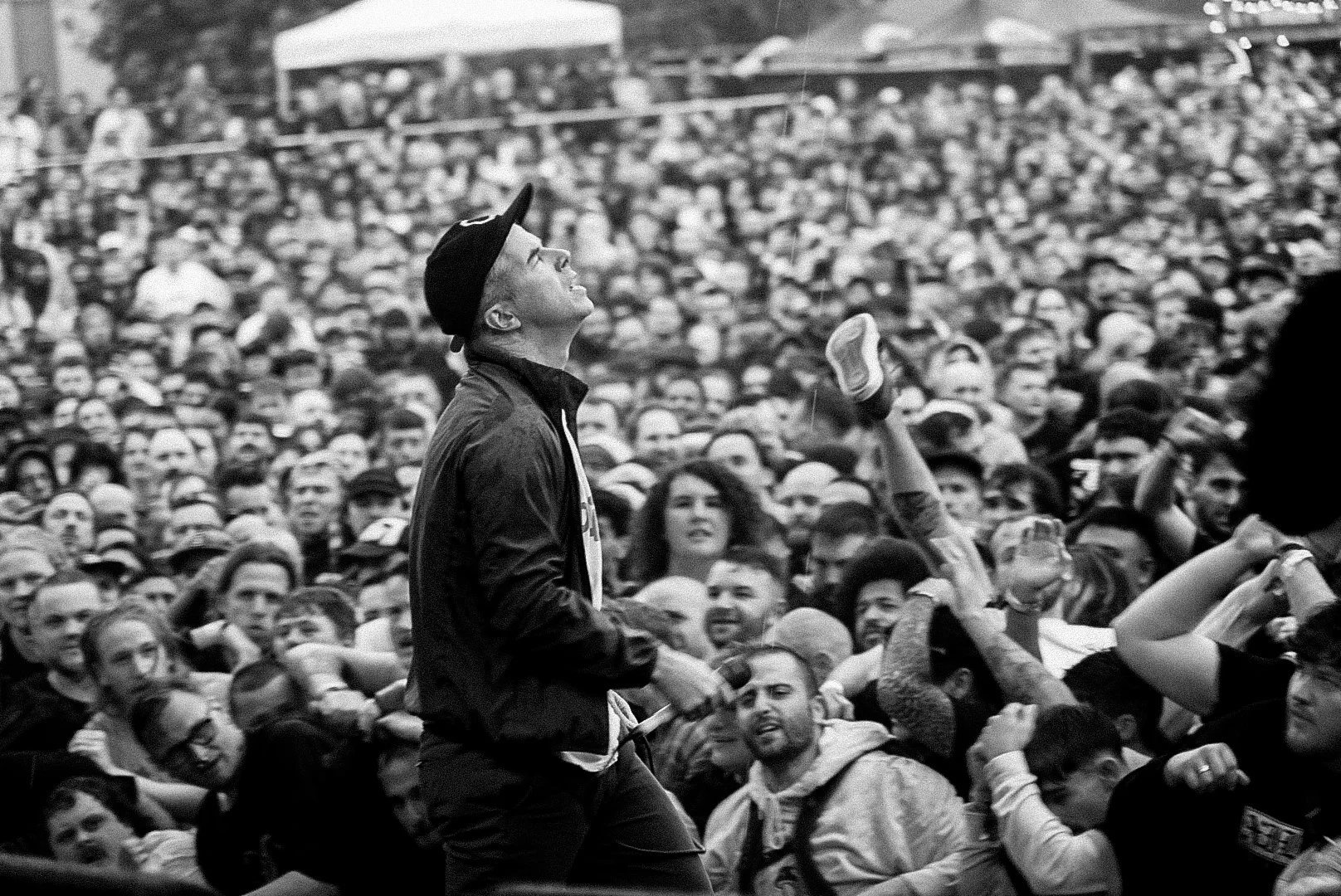
Have Heart @ Outbreak Fest 2024PHOTO CREDIT: GREG HALL
1. Hi Greg, thanks for agreeing to do this interview! I’ve been a fan of yours for a while and when I was on The Artist Formerly Known as Twitter, your account was a goldmine for new hardcore release recommendations, so thanks for that as well! Before we dive into it, would you please be so kind as to introduce yourself and tell the reader what you do?
Hiya Jacob thanks for having me. I’m Greg Hall (often stylised as ‘greghall.’) a photographer, videographer based in Edinburgh, Scotland with a penchant for DIY metalcore, hardcore and their respective communities and cultures. I’m also unofficially known as metalcore twitter’s boogeyman.
2. I’d like to get into some questions about hardcore and metalcore here in a bit, but first I’d like to ask a few questions about your work. What was it that drew you to photography and videography?
I‘ve always been creative, however I’ve never been a great writer and that became self-evident from the various music blogs I had in my teens and early 20s but video felt like such a powerful medium that would allow me to convey what I couldn’t articulate on paper about music.
I later adopted photography with no intention to do so because my friends in Mortality Rate were going to tour Europe for the first time and I was gonna go with them to film it all and make a tour video out of the footage. However they mentioned they wanted photos to be taken as well throughout and I agreed to do so not knowing how to take photos. I had 3 weeks before the tour was scheduled to start to figure out how to do it and then the pandemic happened. I had a new skill I built up for what felt like nothing when really it was only the beginning. I just didn’t know it yet.
3. Your style of music photography—live and band photos—has this really organic, pseudo-throwback feel to it. What informs your technique? Perhaps this might be a stretch but the analogue I kept coming back to regarding your photography was actually the bifurcation of metalcore into this more polished and slick style that’s almost (maybe totally) a separate genre from its roots versus the first decade-plus, where it was really an extension of hardcore and even when it was technical, there was a realness, often rawness, and viscerality to it.
I wouldn’t call it a stretch at all. I'm glad to hear this is how my work can be processed by others as it ties in real nicely to how I feel regarding the big picture of where metalcore is today and how heavily it has been bastardised into something it never wanted to be.
My technique and style can be attributed to the photographers of Belgium’s H8000 scene from the 1970s to the late 1990s and New Jersey & New York hardcore in the 90s. The emphasis on community in the form of the crowd reaching for mic grabs, stage diving and dancing to the bands they love resonated with me far more than shiny press pit photos of musicians on tall stages separated from those that idolise them by security and a metal barrier.
4. Full disclosure, I really have no technical knowledge of photography, I just know what draws my eye, but for readers who might want a little more detail about the tools of the trade, what does your kit look like?
My kit is very basic as I believe kit isn’t everything and matters less than having a creative eye and keeping your head on a swivel especially at hardcore shows. For those of us that are tech-forward, prepare to be disappointed/shocked/bewildered:
Sony A7Xiii camera body
Sony 24-70mm 2.8f lens
Retropia 18mm recycled film lens
2004 JVC Everio camcorder
The thought of wheeling a peli case full of lenses and camera bodies into a show gives me the ick (sorry), I can’t commit to it. My kit is minimal and fits into a crossbody bag as I prioritise movement to get the shot as well as not coming away from a show needing to spend £1000 to replace something.
5. Edinburgh’s a beautiful city. I’ve actually spent a fair bit of time there, and it’s cool to see the landscape featured so prominently in your work. What are some of the unique advantages you see in being there, whether that be the city itself, the music scene there, and/or something else?
I adore Edinburgh and ever since moving here as a teenager I’ve never looked back, it has everything I could ask for. Edinburgh’s music scene was long dead until a year and a half ago. We’ve watched a number of venues close down over the years and I think a lot of people became disillusioned in wanting to support the local scene as they could just travel to Glasgow instead for shows. The city has always prioritised tourism and a lot of hardcore and metalcore bands skip over it cause again, Glasgow is where everyone would rather go. The only advantages I can think of are getting to work with bands and musicians outside of heavy music. It’s allowed me to face a lot of different venue environments, lighting setups etc. and ultimately made me a better photographer.
6. What was it that drew you to heavy music in the first place? Can you share your origin story with us?
I had 3 particular moments that made heavy music click for me.
1998, Hanging out with my cousins when I was a kid in the 90s hearing Korn’s self-titled for the first time on a portable cd player covered in skateboarding stickers. Jonathan Davis' vocal style and how weird their vibe was stuck with me and had me begging my parents to take me shopping for CDs cause I wanted to know what else was out there.
2001, Slipknot’s Left Behind was on a Kerrang sample cd and someone in my class brought it into school. I knew music could be weird like Korn but I was blown away by their whole aesthetic and it got me viewing music more as an artform rather than just sounds and noises.
Finally, 2006. I was introduced to metalcore and hardcore through Converge’s No Heroes by a friend I used to play World of Warcraft with after school. I still remember hearing Hellbound for the first time.
7. I saw you worked with Trustkill—they were one of my go-to’s when I started going down the metalcore and modern hardcore iceberg in the mid-aughts. That’s huge! Who are some other noteworthy clients you’ve worked with—whether that be more noteworthy in terms of name recognition or personally significant?
I still get chills over the “you in?” message I got from Trustkill last year. Definitely the most surreal thing to happen to date considering the bands I’ve been fortunate enough to document and the photographers I’ve gotten to work alongside.
Ieper Fest in Belgium reached out a couple years back and I kind of fell into leading the media team. That’s been a cool ride and I’m thankful to them for everything. I love my Euros, they’re family.
For the sake of dropping names I’ve done bits for The Callous Daoboys, Oversize, Have Heart, Magnitude, Speedway, Long Goodbye, Pest Control, Wreaking Joy, Show Me The Body, Fuming Mouth, Broken Oath, Slowmove, Dara Watson, Nihkita, Frontierer, Celeste and Enforced.
8. What have been some of the other major highlights of your career so far?
I’ve done so much cool stuff but seeing my photos turned into physical media is my favourite highlight. Album covers, LP inserts, shirts and prints. I just appreciate people like my work enough to let it represent them or have pride of place in their homes.
9. You have many tweets highlighting the fact that there’s a whole world out there past the stadium shows, and as someone who’s seen plenty of shows in let’s call them unusual locations, I can concur. Talk to us about the importance of not just seeking out and going to shows at smaller venues but, to the best of your ability, becoming an active participant in your local scene. For me, for example, it can be a challenge to regularly attend gigs these days with three kids and a very long commute, however I use this site as a means to signal boost local artists, labels, people helping power the scene, et cetera, as well as donate to important causes, buy merch, and of course still get to local shows—especially those featuring or including local artists—as often as I can secure childcare and not neglect my parental duties.
I feel the mindset of veganism can apply heavily to contributing to your local scene and supporting venues and that is to do what is possible and practical. Even if you’re unaware of smaller shows, DIY promoters and lesser known venues it is important to participate in your scene as much as you can because if you don’t, bands will happily skip over your town/city because they’ll have heard from other bands that it isn’t worth visiting and they’d essentially lose money. If you don’t show up and support local it goes all the way to the top and affects the big tour package shows you’ve seen all over your social media as well.
If you aren’t able to make it to shows regularly you still have plenty of ways to contribute:
Support small labels that release small bands’ records, check out their past releases and see what shows they might be putting on, spread the word.
You can pick up merch to help said small bands pull money together to record or go on tour where they can even spread the word that your town/city is worth playing
You can help organise shows with those that are more able to attend shows in person if you can’t
You can donate to crowdfunding, share posts, talk up your local scene as best you can on socials.
Armchair contribution isn’t the greatest way to participate but it's something that should be done alongside other means of contribution. There’s nothing worse than someone that acts like they’re part of the scene despite never going to shows.
10. The hardcore scene in Scotland has rightly been getting international recognition the last few years as being one of the most vibrant and fertile in the world. What do you attribute the boom to, and who are some of the bands, labels, and/or people (and obviously feel free to go beyond Scotland) who are doing work you really respect?
Scotland’s boom in hardcore is essentially because of Northern Unrest. Glasgow (Scotland’s) Hardcore has been around for decades but after Trial By Fire Bookings came to an end someone had to step up to the plate and that’s where NU came in. Respect to the likes of Revolve, Trial & Error, Adjust, Broken Oath, Demonstration of Power, War Charge and many more who are due their flowers for turning Glasgow into a globally recognised scene.
Edinburgh’s scene is seeing a resurgence thanks to EHHC Promo putting on hardcore shows and managing to pull crowds which is almost unheard of for the capital. They’re truly moving different and making it work. Rhys, Sean, Bloodsport and Shot Down In May are making Edinburgh proud.
11. Okay, last question, one of my favorites: you’re stranded on a desert island by yourself and only have five albums with you to listen to. What would they be and why?
This one's easy, my top 5 hardly changes.
Agriculture - The Spiritual Sound - This is the latest one to change my top 5. I never experienced anything as jarring, abrasive and beautiful in my life until I saw Agriculture last year. I’ve had this album on repeat since it dropped.
Aftershock - Through The Looking Glass - Riffs for days, evil at times and it’s cool to think if this band didn’t stop we wouldn’t have Killswitch Engage. I can’t decide if that’s a good thing or a bad thing.
This Will Destroy You - This album always reminds me of when I first moved to Edinburgh, sitting on the floor eating pizza cause I had no furniture in my flat. With the lights turned off, I’d lay on the floor and stare at the ceiling while listening to this album and feeling accomplishment that I made it out of my hometown and I finally do what I want.
Misery Signals - Of Malice & The Magnum Heart - A deeply personal record to the band that they manage to convey perfectly. Melancholy at its finest.
Harry Styles - Harry’s House - If I was trapped on this island for a long time this album would age beautifully. It’s got funk, it’s uplifting, it’s a vibe.
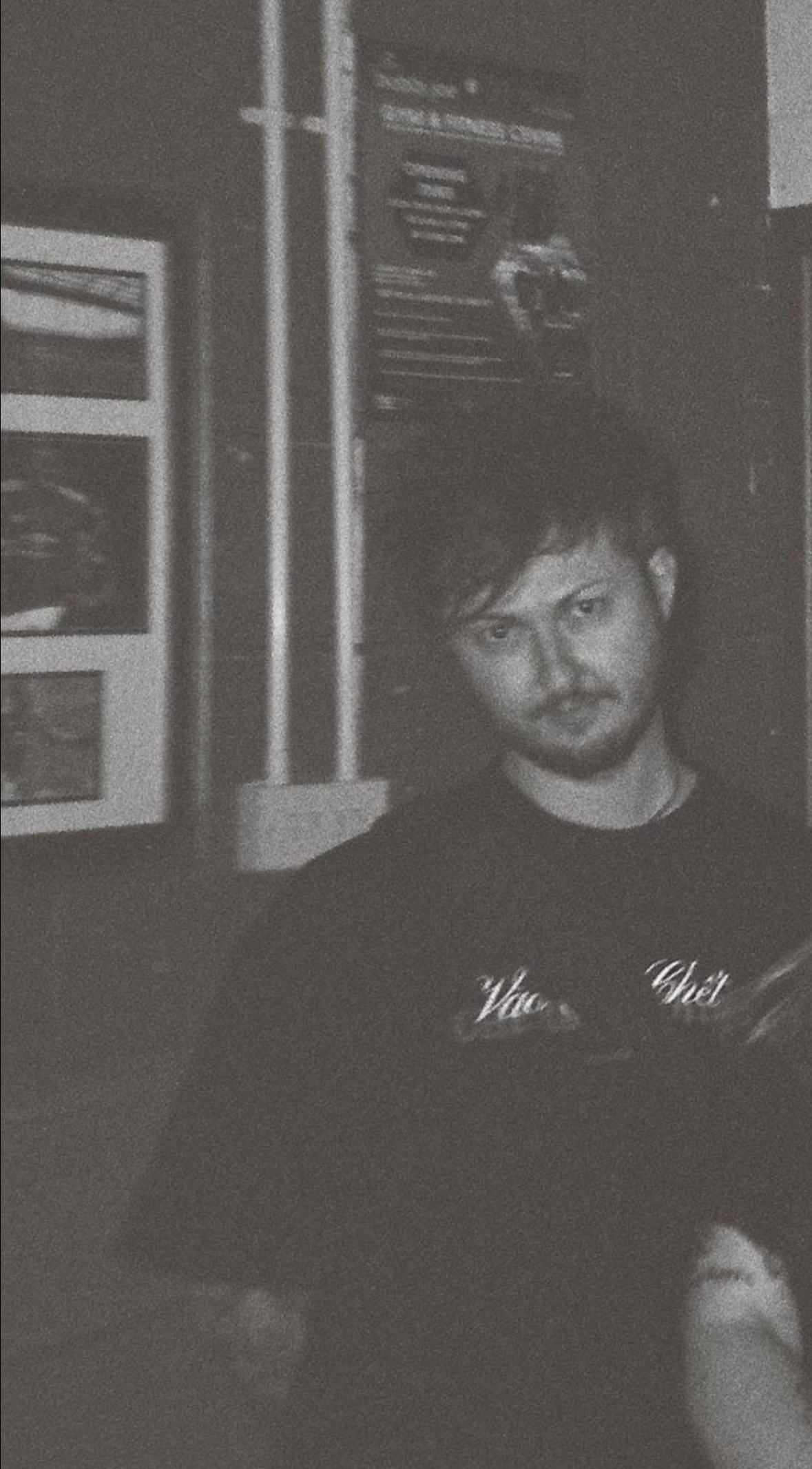
Self-portrait
PHOTO CREDIT: GREG HALL
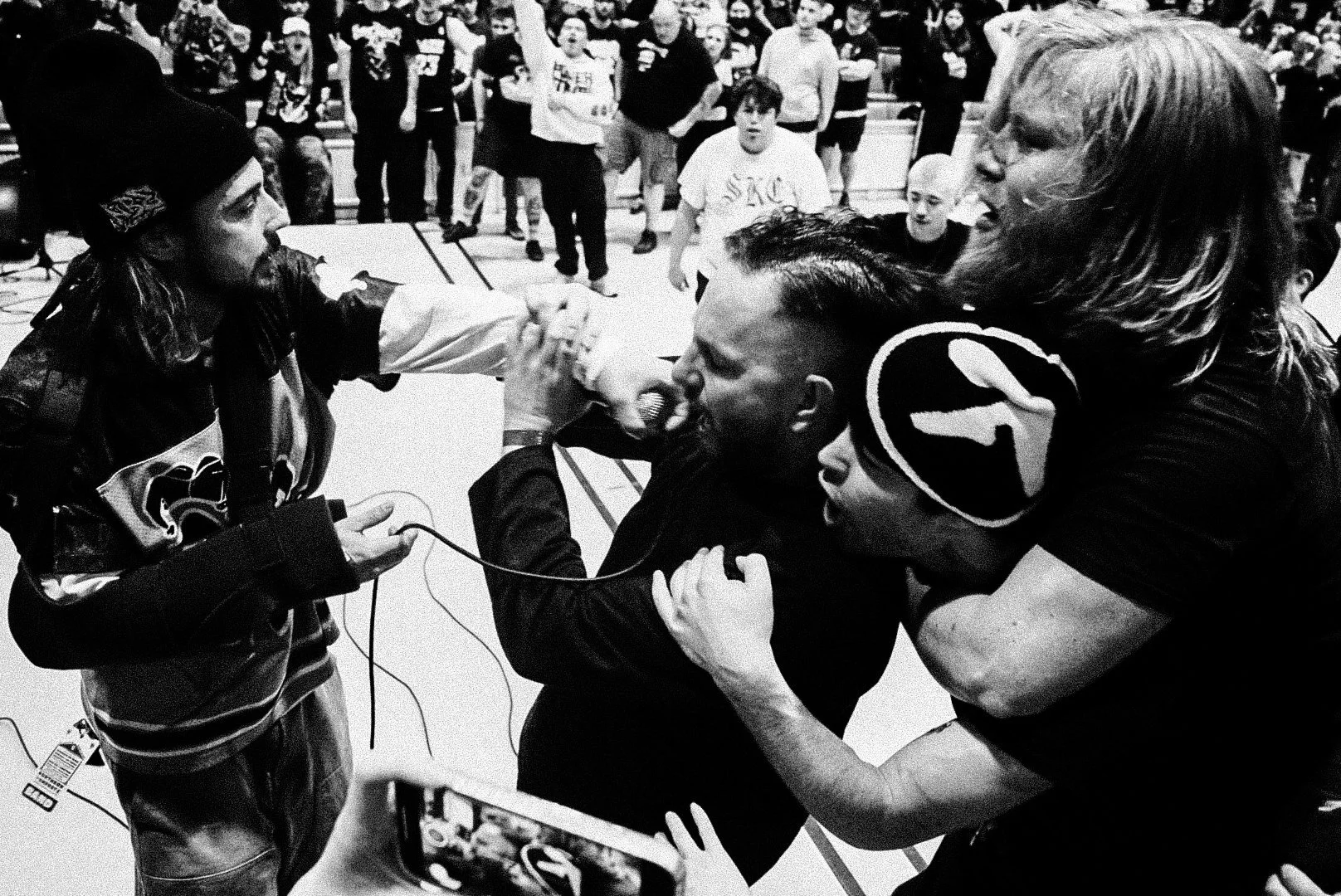
Splitknuckle @ Northern Unfest 2024
PHOTO CREDIT: GREG HALL